
This screenplay was based on the third draft of a novel with the same title. The version listed on Amazon Books honors the first machination of the original concept but I added a Lakota mythology to the plotline as a ‘nod’ to my own Red Road Spirit path (‘Cantku Luta‘). For the last thirty-years I’ve walked the Red Path. For those who may not know what that is, the internet is awash in Lakota spirituality tutorials, i.e. YouTube especially has been the major platform for Lakota music, history in the Americas, and pow-wow drum groups across the west and mid-western states. My life’s spirit walk involves the main austerities of the Lakota People (Oyate Lakota) including INIPI ceremonies (sweatlodge), vision-quest (Hanblechia), and the annual Sundance ritual (Wiwanyag Wachipi) for the past five six years.
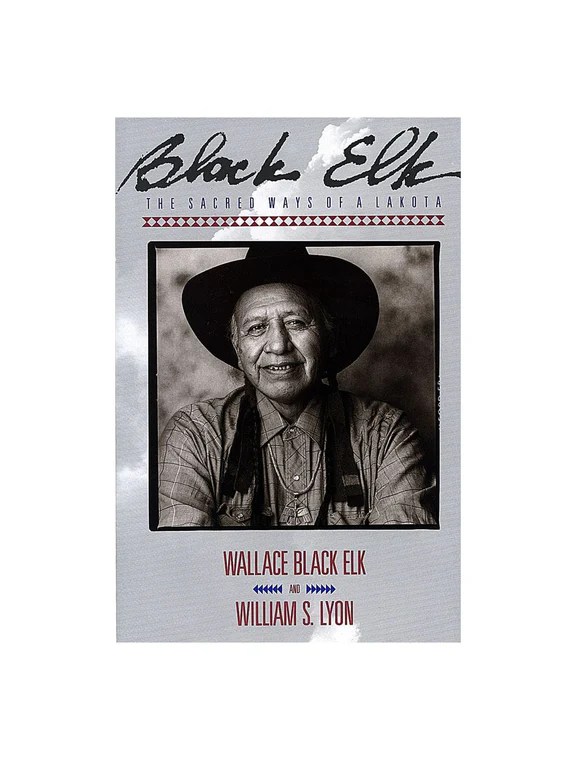
This summer in Porcupine, South Dakota on the Pine Ridge reservation, I attended my fourth Sundance and can say I am part of this sacred rite as a ‘Sundancer.’ Prior to dancing I’ve been one of several firemen (stone keepers and fire tenders) for the Sundancers as they sweat between dance rounds. For a full accounting of the history of the inipi, hanblechiayapi, and Wiwanyag Wachipi, https://www.nebraskapress.unl.edu/bison-books/9780803261655/the-lakota-ritual-of-the-sweat-lodge/ and further reading can be found in texts such as https://www.simonandschuster.com/books/Sun-Dancing/Michael-Hull/9780892818501, and finally, if interested to learn the sacred ways of vision-quest, I highly recommend researching holy men such as Wallace Black Elk (a direct descendant of the famous Holy man Black Elk (Heyaka Sapa) brilliantly written about in the epic work, BLACK ELK SPEAKS), and the texts by Leonard Crow Dog.
Wallace’s book, ‘THE SACRED WAYS OF A LAKOTA’ is my suggestion as I met with him in the 1990s before I embarked on the Red Road full-time. He was an incredibly inspirational man and speaker. Here’s a LINK:
S.W. Laro’s fictions:
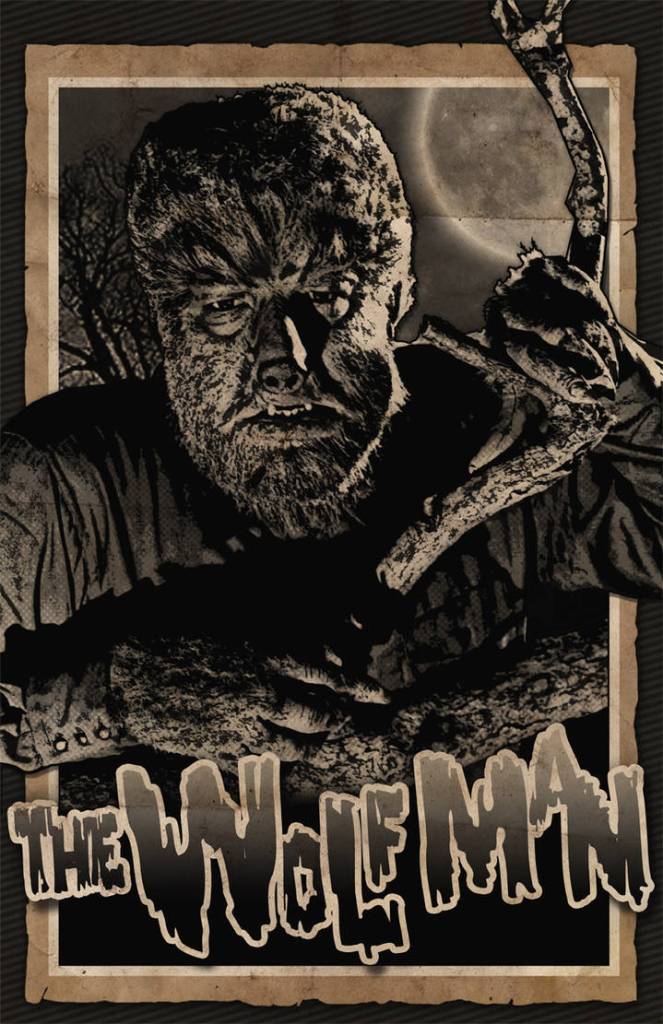
Lon Chaney, Jr. as the immortal Universal monster, the WOLFMAN.
My script, however, has nothing to do with the Gothic plot and themes of Curt Siodmak’s 1941 screenplay that became the blueprint of werewolf movies thereafter in America and abroad in England. For cinema’philes , Universal Studio’s version of ‘The Wolfman’ led to the Hammer Films adaptations of their own movies, loosely based on the cult following monster movies received in Holly Wood. The Hammer Films included classics such as, CURSE OF THE WEREWOLF with the great actor Oliver Reed. Far as Native themes and/or American Indian themed werewolf mythology scripts, they started with films like 1913’s movie, THE WEREWOLF starring a female lead played by silent screen actress, Phyllis Gordon as the Navajo Watuma, a cursed soul who transforms into a wolf. The plot tells the tale of how she was taught by a native witch called, Kee-on-ee, played by veteran actress Lule Warrenton and the vengeances enacted upon white settlers moving westward.


 THE HELL'S KITCHEN WRITER