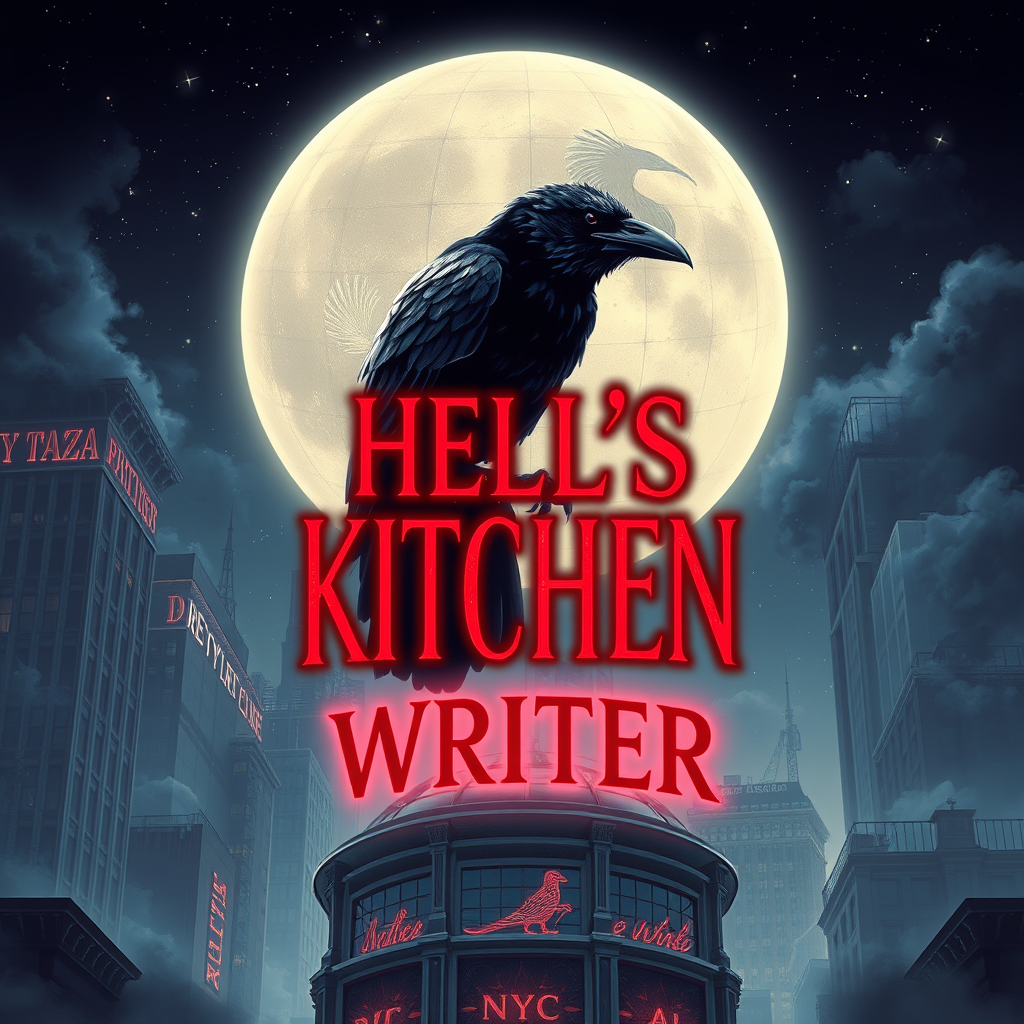
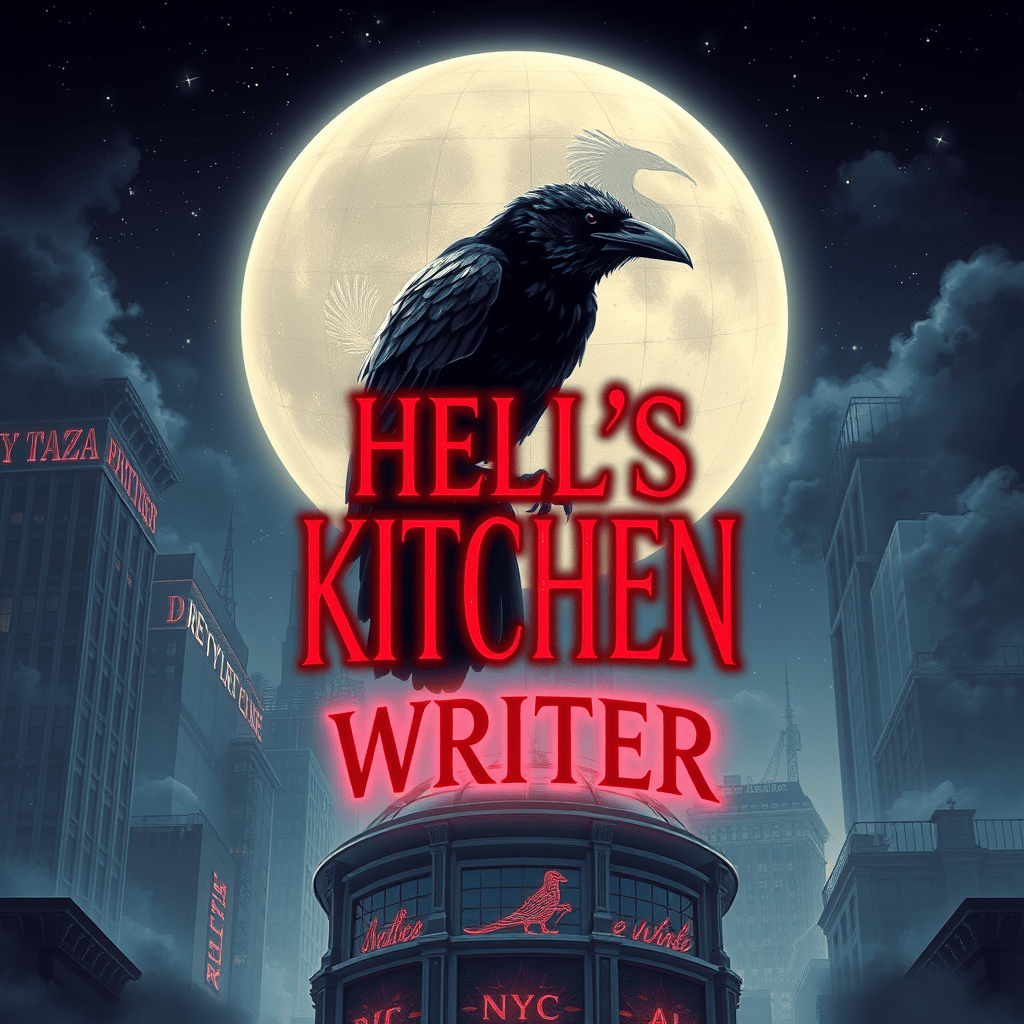
Pip: Hell’s Kitchen, circa the 1880s — where the streets were rough, the fiction was rougher, and apparently at least one detective named Rance has been waiting patiently for his close-up ever since.
Mara: S.W. Laro’s recent posts cover two connected territories: a detective fiction series rooted in that neighborhood’s history, and the brand built to bring those stories to readers. Let’s start with the case of Jack Rancino.
Who Is Detective Jack Rancino — and Why Does It Matter?
Pip: The question at the center here is what “WHO KILLED MAX SCHIP?” actually represents in the larger project — not just a mystery novel, but the formal launch of a full-length series built around one character.
Mara: The post frames the blog’s entire purpose in one direct line: “This blog site on WordPress is for one simple goal: to offer and sell my fiction to readers be them average fiction lovers OR Film producers, actors, n’ directors seeking potent and high-quality writing to be adapted to cinema/streaming media. Period.”
Pip: So the novel is both product and pitch deck — simultaneously a book for sale on Amazon and an open invitation to anyone in film or streaming who wants source material that already has a character, a world, and a voice.
Mara: Right, and the post is explicit that all the fiction is available for optioning or full buyout. There’s a disclaimer noting WGA-East Coast copyright registration, contact information, and a clear statement that the author’s role stops at the writing itself — not directing, not producing, not acting.
Pip: Which is either admirable restraint or a very pointed reminder that the creative heavy lifting is already done — someone just has to show up with a checkbook.
Mara: The post also gestures at a pitch deck listed separately on the blog’s homepage, which suggests the series is being packaged for visual media in addition to print. The character of Detective Jack Rancino — Rance — was first introduced in the novella “Day at Big Rock” before this full-length novel picked up the thread.
Mara: And the post closes on something quieter: a line the author attributes to his father — “Books are your friends” — which grounds the whole commercial apparatus in something more personal than a sales pitch.
Pip: That detail does a lot of work. The whole post is pitching hard, and then it lands there.
Mara: The branding side of this operation has its own post, and that’s where the reader identity comes in.
RebelRavenBooks and the Reader Who Flies
Pip: The tagline for REBELRAVENBOOKS is short and deliberate: “Where Rebel Readers come to fly” — and the post marks itself as Version 1.0.0, signaling this is a brand in active construction.
Mara: The post spotlights “Confessions of a Gas Station Attendant Man,” a poetry collection first written in Hell’s Kitchen in the 1980s, with the note that it began from a single poem titled “Black Hearts and Yellow Butterflies.” It’s available now via Amazon, and the post links directly to the listing.
Pip: A poetry collection that started as one poem, decades ago, now sitting inside a storefront called RebelRavenBooks. The archive is the inventory.
Mara: What stays with me is the consistency — detective fiction, poetry, a branded storefront — all pointing back to the same neighborhood and the same long project.
Pip: Hell’s Kitchen keeps producing. More from that corner next time.


Leave a Reply